

Affiliate Disclosure: This post contains affiliate links, which means I may earn a commission if you make a purchase through links on this site, at no extra cost to you. As an Amazon Associate I earn from qualifying purchases.
The Neoteck gas leak detector is a pen-style sniffer for combustible gases like methane, propane, and natural gas. It warms up in about 30 seconds, then alarms at over 85 dB with a rising bar graph as you close in on the source. I tested it with my dad, who works in HVAC, on a real fireplace leak and it picked the gas up right away. It is a basic unit, with no data logging and no vibration alert.
My dad who works in HVAC helped me with this gas leak detector, too. This was sent to me for review.
We had a gas leak situation in the garage, and there was no way to tell where it was coming from. It was everybody sniffing around trying to figure it out, which is not a plan.
So I wanted a gas detector to keep on hand for the next time something feels off. This is the Neoteck gas leak detector, and I tested it with my dad to see if it would pick up gas where it should.
It comes in a nice little bag, and it came with AAA batteries and a small user manual. I like when you can open something up and use it right away.
Quick Verdict
- Buy it if: you want a basic way to check for combustible gas around valves and appliances
- Not for you if: you need extras like data logging or a vibration alert
- My favorite feature: the bars and lights that show when you’re getting closer
- Would I buy again? Yes, and I will since I let my dad keep this one for work!
Update: the Neoteck detector I tested is no longer listed on Amazon, and the other Neoteck models I checked are gone too. I am leaving the review up because the test still tells you what a basic sniffer like this does and does not do. If you are here to buy one, skip to the alternatives below.
Does the Neoteck Gas Leak Detector Actually Work?
For a basic home gas sniffer, I liked it. It picked up gas fast when we tested it at a fireplace and stove, and the bars and lights made it easy to tell when I was close to the source. I wanted something simple I can grab in a situation where you do not want to be guessing, and this fits that.
Neoteck Gas Leak Detector
This is best for people who want a simple way to narrow down where gas is coming from without doing anything sketchy.
If something smells off, this gives you a quick way to check around valves and connections before you call someone out.
Key Details of This Portable Gas Leak Detector
| Brand and model line | Neoteck gas leak detector (NTK184 series) |
| Detects combustible gases | methane, propane, natural gas, LPG, ethane, butane, coal gas (per NTK184 info) |
| Alerts | audible alarm (over 85 dB) plus visual bar graph display |
| Warm-up time | about 30 seconds |
| Response time | about 0.5 seconds (listed for the series) |
| Sensitivity | two modes, High (50 to 500 ppm) and Low (500 to 3000 ppm) |
| Power | AAA batteries (mine came in the box, and I keep spares in the Ontel Battery Daddy) |
| Extras | storage bag, pocket clip, low battery indicator |
| Auto shutoff | after about 5 minutes of inactivity |
Who Is This Gas Leak Detector For?
If you have gas appliances at home and you want a simple way to check around valves, fireplaces, furnaces, or a hot water tank, this is for you. It also makes sense if you have had a small leak before and you do not want to rely on your nose next time.
What Did I Notice First?
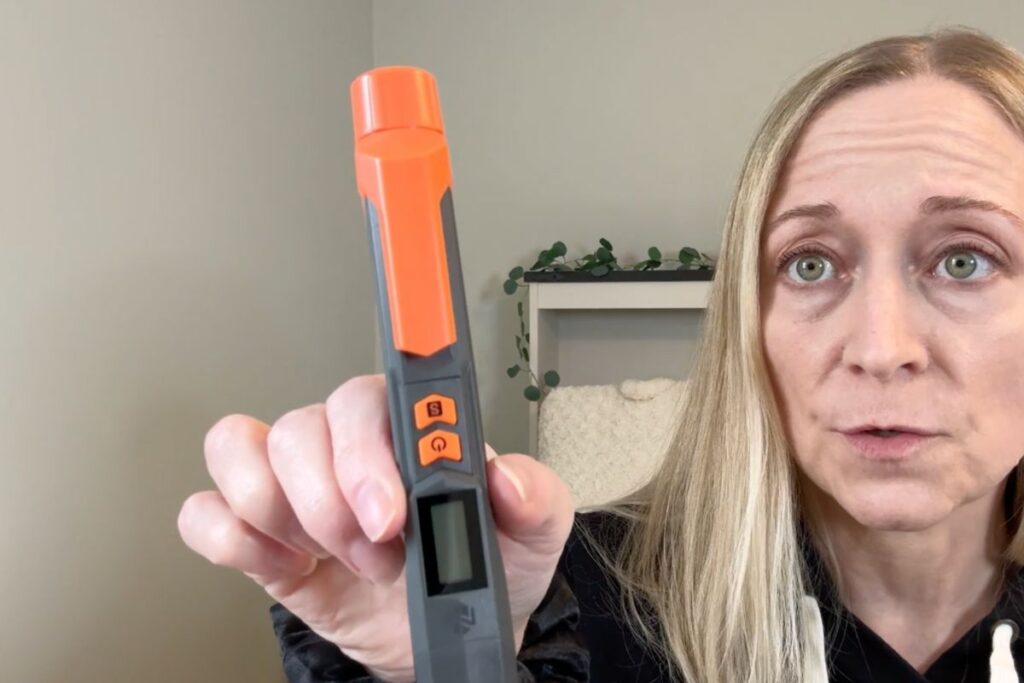
It’s a bright orange pen-style tool, so it’s easy to spot in a drawer. I liked that it came with the bag and batteries, because I wanted it ready to go. When you turn it on, there’s a warm-up period, and then you’re watching the lights and bars while you move it around.
Features That Matter Most in Daily Use
- Audible and visual alarm: You get beeping plus the bar graph and light changes, so you are not guessing what it is doing.
- Two sensitivity modes: High and Low sensitivity helps when you are trying to locate a small leak versus dealing with background gas in an area.
- Quick response: In my test, it reacted right away when gas was present, and it backed off as we moved away.
- Portable setup: It’s small, comes with a storage bag, and runs on AAA batteries.
How Did It Perform on a Real Leak?
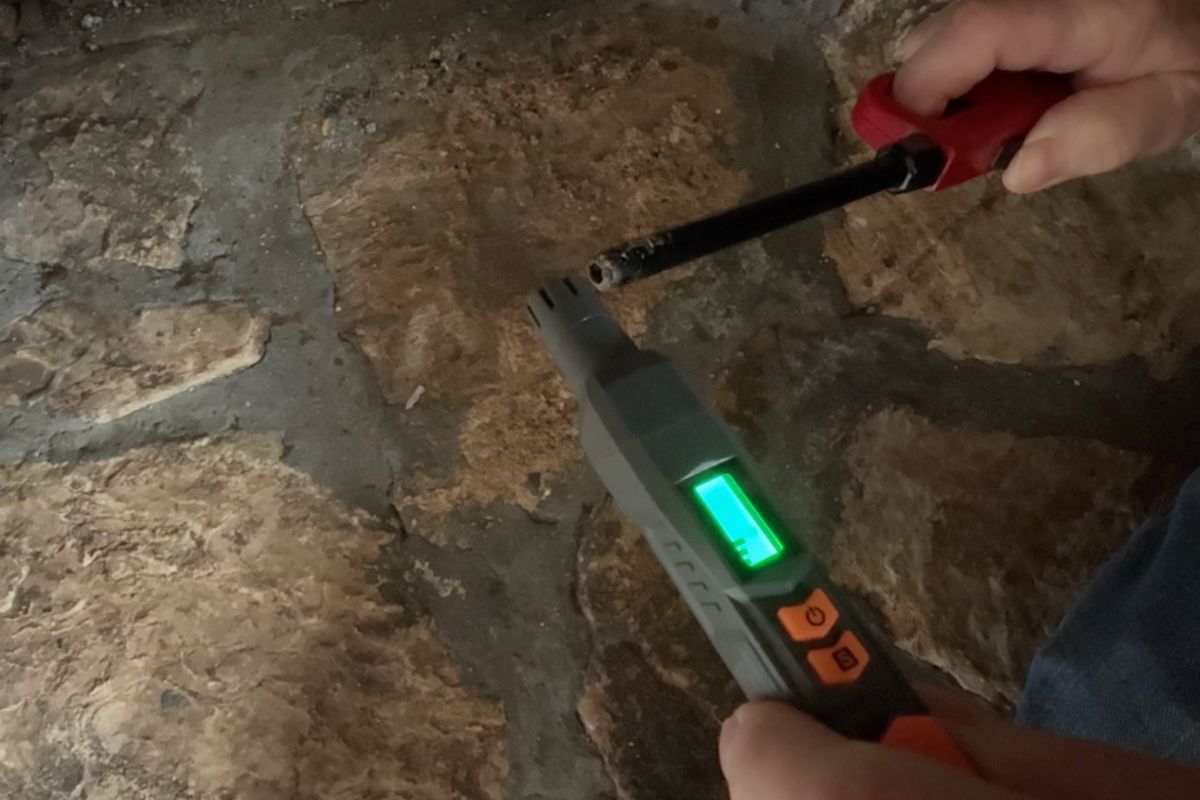
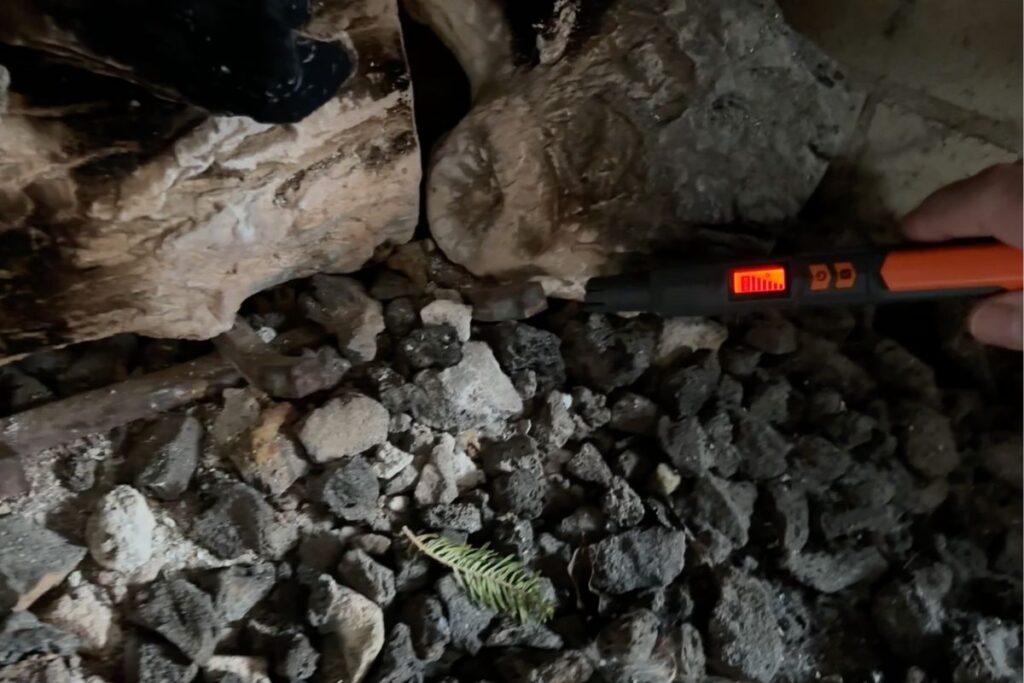
I tested it at my dad’s house. With no gas present, it read as no detection. When we introduced gas at the fireplace valve, it detected it, and you can see it stay in the area for a bit, then drop down as you move away. I also liked being able to bring it over to a valve and check it, instead of relying on soap bubbles or doing anything sketchy like using a flame to hunt for a leak. This gives you a safer way to narrow down where to look.
What I Liked
- Comes with a bag, AAA batteries, and a manual
- Warm-up is quick, around 30 seconds
- Detected gas fast in testing
- Easy to see when you’re getting closer or farther away (bars and lights)
- Handy for checking around gas valves and fireplaces
What I Didn’t Love
- Not much. The one thing I’d flag is that it’s basic. No data logging and no vibration alert, so if you want those extras this isn’t the one. For a quick check around valves and appliances, that didn’t bother me, and my dad even kept this one to use on the job.
What Should You Buy Instead of the Neoteck Detector?
Since the Neoteck is gone, here are three current detectors that cover the same job. I have not tested any of them, so these are described from their listings and from how they compare on paper to the one my dad and I used. Every pick in the table below links to Amazon. Whatever you pick, a sniffer is for narrowing down where to look, not for deciding a leak is safe. If you smell gas, get out and call the gas company first.
| Detector | Power | Alerts | Reach for it if |
|---|---|---|---|
| Neoteck NTK184 (the one I tested, discontinued) | AAA batteries | 85 dB alarm, bar graph | No longer available |
| TopTes PT199 Natural Gas Leak Detector | AAA batteries | Audible and visual alarm | You want the closest thing to what I tested |
| GasDog Combustible Gas Detector | Rechargeable | Sound, light, and vibration, with data logging | You want the two things the Neoteck skipped |
| Gas Leak Detector with 12 inch flexible probe | Batteries | Audible and visual alarm | You need to reach behind an appliance or into a tight run |
The PT199 is the one I would look at first, because it is the same class of tool: pocket sized, AAA batteries, audible and visual alarm, and the same combustible gases. The GasDog is a step up in features rather than a like-for-like swap, so it is the pick if the missing data logging and vibration alert are what bothered you about mine.
Common Questions About This Gas Leak Detector
What gases does it detect?
It’s made for combustible gases like methane, propane, natural gas, and LPG. The NTK184 series info also lists ethane, butane, and coal gas.
How long does it take to warm up?
The warm-up time is about 30 seconds.
What’s the difference between High and Low sensitivity?
High sensitivity (50 to 500 ppm) is for tracking down smaller leaks. Low (500 to 3000 ppm) helps reduce background noise when there’s more gas in the area.
Why does it beep when I turn it on?
It has an audible alarm system and it also has a low battery indicator. If it’s beeping and you’re not near gas, check the battery and let it finish warming up before you start scanning.
Would I Buy It Again?
Yes, for what I wanted, which is a simple way to find a leak source without guessing. After dealing with a small garage leak before, I like having something like this in the house for a quick check around valves and gas appliances.
A book I made
The Lightest One
An undated ADHD daily book that never asks you to prioritize. Dump everything in your head, mark each thing light, medium or heavy, and do the lightest one.
Get the paperback →I run an affiliate program on the tools I build. Approved affiliates earn 20% on what their referrals pay, for up to a year. US only for now. See the program →
Related Reviews
- Ontel Battery Daddy, where I keep the AAA spares for this detector.
- More home and safety gadgets I’ve tested.