
Affiliate Disclosure: This post contains affiliate links, which means I may earn a commission if you make a purchase through links on this site, at no extra cost to you. As an Amazon Associate I earn from qualifying purchases. I’m also a Walmart Creator (#WalmartPartner), so I earn from qualifying Walmart purchases too. My opinions are my own and don’t represent Walmart.
Vrekef Urea Cream 40 Percent softened my dry, cracked feet after a couple of nights of putting it on before bed with my feet covered. The 40% urea and 2% salicylic acid are the two ingredients going after the rough, hard spots. It’s a heavy bedtime cream, not a light daytime lotion, and you’ll want to cover your feet so it stays off the sheets. I’d buy it again.
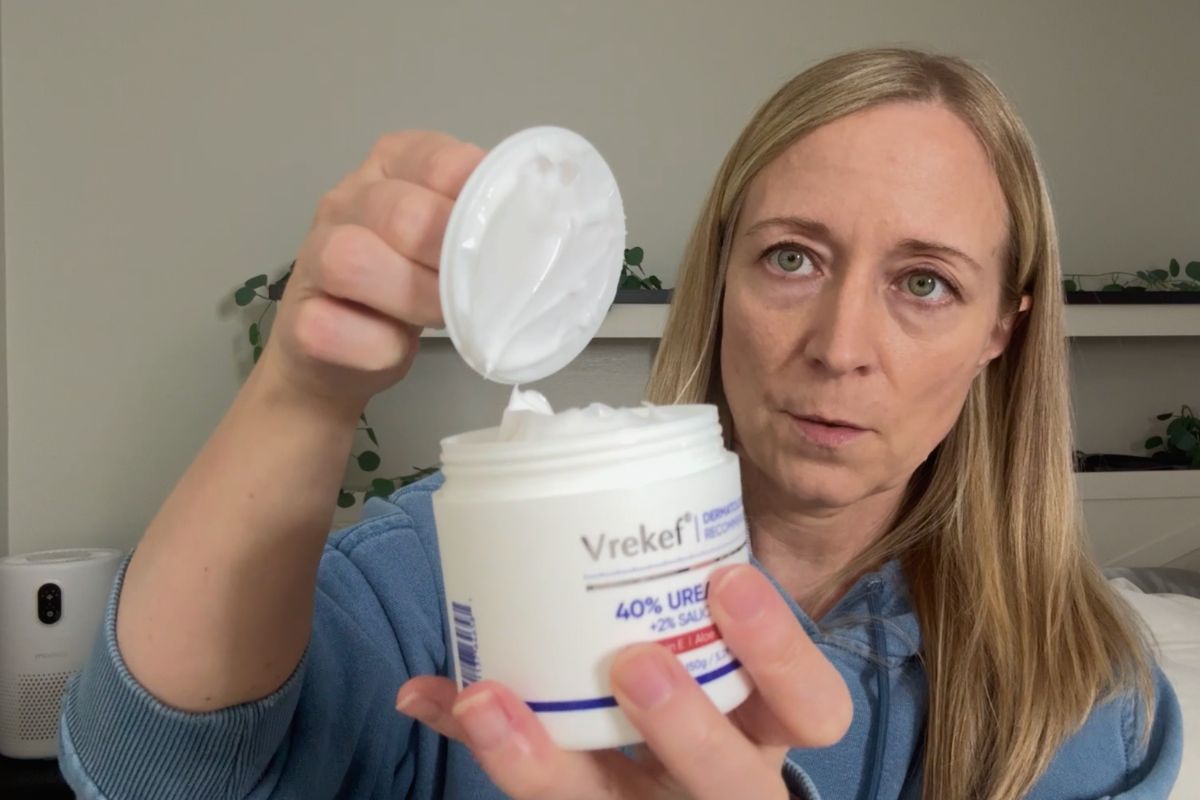
I got this foot cream sent to me for review, and I was ready to try it right away because my feet have been cracking like crazy. The bottoms of my feet are dry, rough, and not cute.
This is Vrekef Urea Cream 40 Percent for Feet Maximum Strength. It’s a 40% urea cream with 2% salicylic acid, plus vitamin E, aloe, and tea tree oil. I used it the same way I use most foot creams, right before bed.
Quick Verdict
- Good fit if: you want a strong overnight cream for very dry, cracked feet
- Not for you if: you only want a lightweight daily lotion
- My favorite feature: how easy it is to keep using
- Would I buy again? Yes
Is Vrekef Foot Cream a Good Option?
Yes. After a few days, I saw enough of a difference that I would buy it again. My feet felt noticeably softer, and the routine was easy to keep up with.
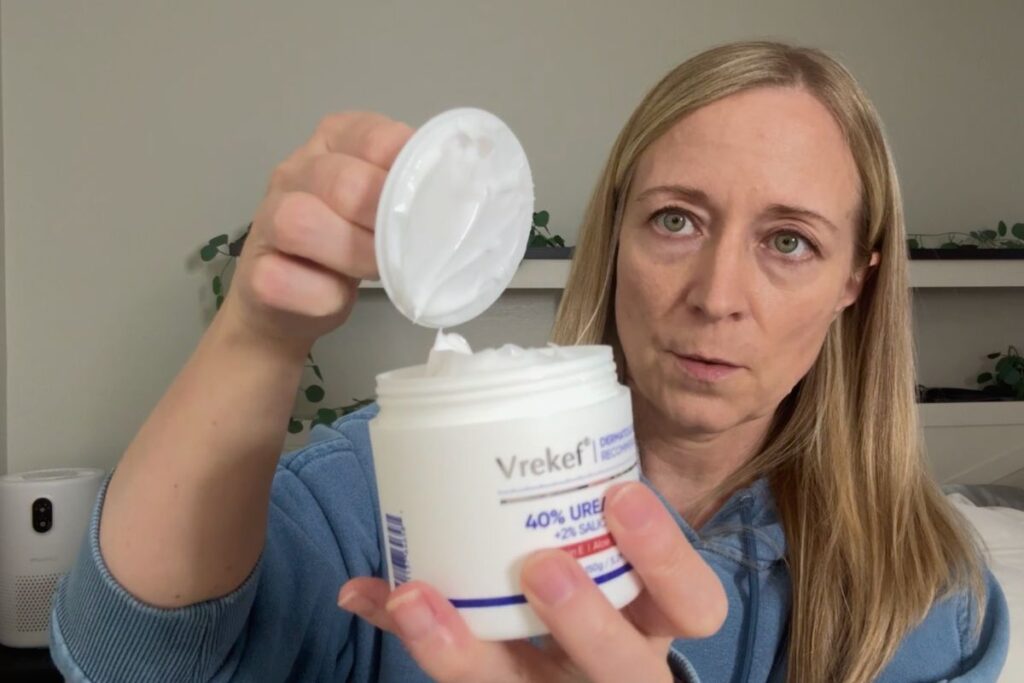
Vrekef Urea Cream 40 Percent Plus Salicylic Acid 2%
Key Details of This Urea Foot Cream
| Product type | Foot and hand cream for dry, cracked skin |
| Urea strength | 40% |
| Exfoliating ingredient | 2% salicylic acid |
| Texture | Thick cream |
| Scent | Light |
First Impressions
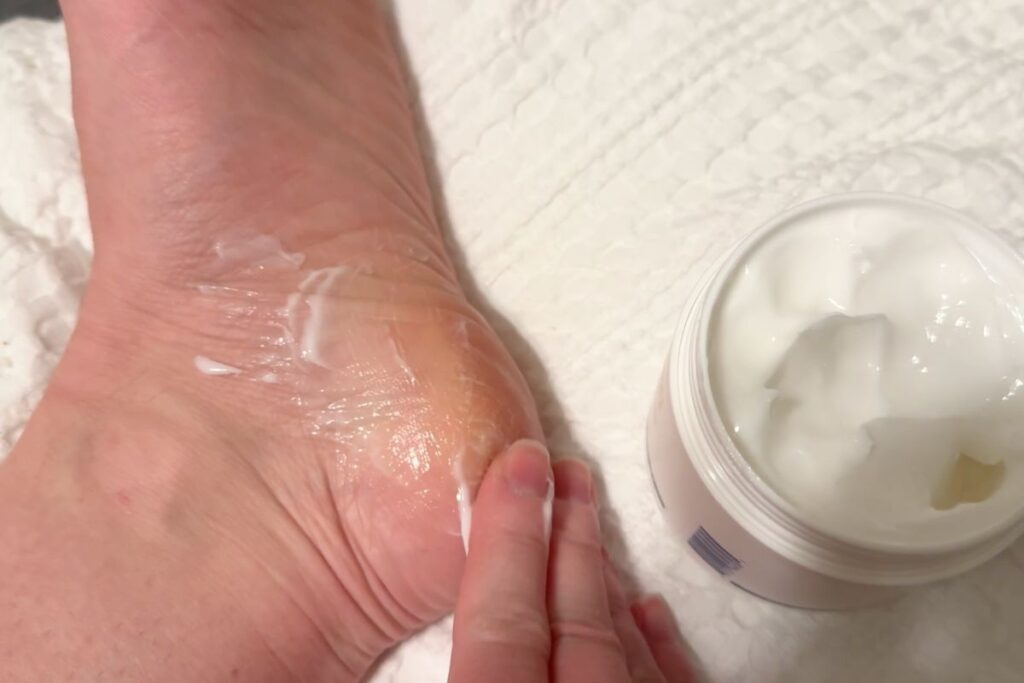
The cream was rich and soothing, and the scent was noticeable but mild. I like to apply a heavy layer, so putting something over my feet after that was a must. It’s possible a thinner layer would help you avoid needing a cover.
How do you use a 40% urea foot cream?
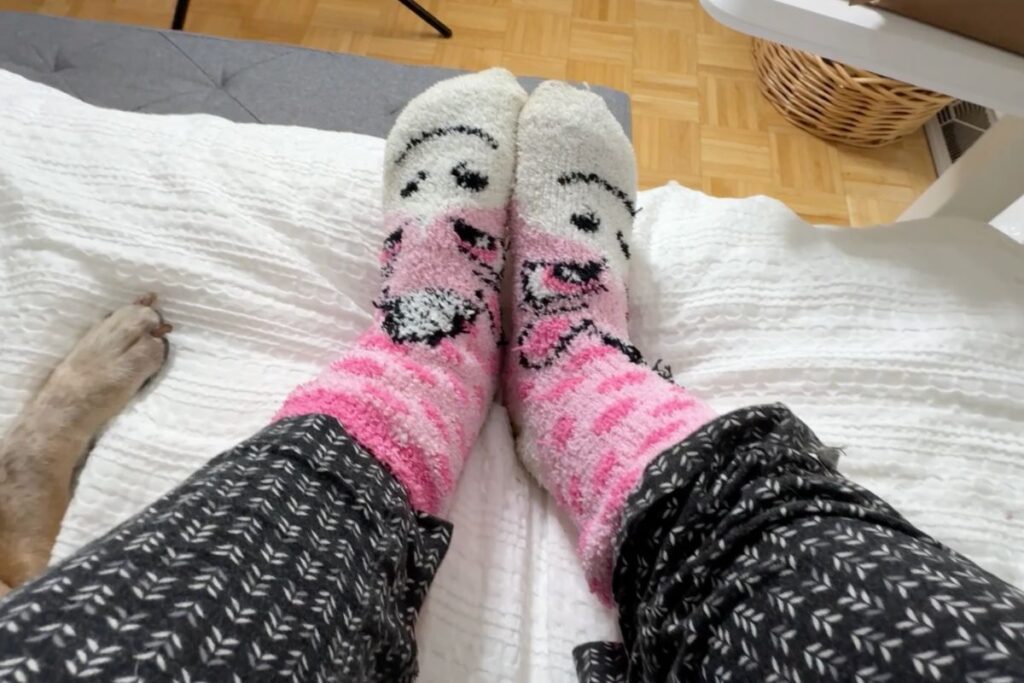
I used it only at night. Cream on, socks on, bed. It was simple enough that I didn’t skip it.
It stuck because it was the last step in a routine I already had. If you’re building that kind of routine from scratch, I broke down my evening wind-down routine on my other blog.
How does 40% urea compare to 10% and 25% creams?
The number on the tube matters more than the brand. It goes higher than 40%, too. I’ve since tried the VREKEF 60 percent urea cream. Urea does two jobs at once: it pulls water into the skin, and it breaks down the keratin that makes callus thick. At 10% it’s really just a moisturizer. At 25% it starts actually softening hard skin. At 40% it’s working on callus, which is why it gets sold as maximum strength and why it’s not one to wear in shoes. Most drugstore foot creams cluster at the lower end, so 40% is a real jump in strength.
Who should not use 40% urea foot cream?
Keep it off broken or bleeding skin. Urea and salicylic acid both work by breaking down the top layer of skin, so an open crack is the one place you don’t want them. The standard guidance on high-strength foot creams is also to check with a doctor first if you have diabetes, neuropathy, or circulation problems, because a small foot injury is a bigger deal when you can’t feel it or heal it fast. I’m not a doctor, and this is a cosmetic cream, not a treatment for a wound.
What are the best alternatives to Vrekef urea cream?
Vrekef is the only one of these I’ve used, so everything below comes from the labels rather than from my own feet. Each one answers a different reason 40% might not be your pick. If you’d rather rub something in and walk around, the Rozino tea tree oil foot cream I tried is the minty one that cools as it goes on.
| Cream | Why you’d pick it instead |
|---|---|
| Flexitol Heel Balm | 25% urea instead of 40%, plus shea, lanolin, and glycolic acid. Gentler, and it’s a balm you can wear during the day, which the Vrekef isn’t. |
| Kerasal Intensive Foot Repair Ointment | 10% urea but 5% salicylic acid, in a petrolatum ointment rather than a cream. Less urea, more exfoliant, and a 1 oz tube meant for spot-treating heels. |
| AmLactin Foot Repair Cream | No urea at all. 15% lactic acid does the exfoliating instead, so it’s the one to look at if 40% urea is too strong for your skin. |
What I Liked
- My heels were smoother within a few days
- Stays put once it’s on
What I Didn’t Love
- You’ll want something over your feet, or it ends up on the sheets
- Not something I’d use during the day
- For really severe dryness, I’d want an even heavier cream
Common Questions About This Foot Cream
Does urea cream work on cracked feet?
Yes. My feet were softer after a couple of nights. The 40% matters here, so see how it compares to 10% and 25% above.
How long does Vrekef urea cream take to work?
I noticed softer skin after a couple of nights. Give it about a week of nightly use to see the full difference on very cracked feet.
Do you need socks with 40 percent urea foot cream?
Yes, if you put on a thick layer like I do. Socks keep the cream on your feet and off your sheets.
Can you use Vrekef urea cream during the day?
You can, but I liked it best at bedtime. It’s a heavy cream, so it gets messy inside shoes.
Is the scent strong?
No. It stayed light for me.
A tool I built
Energy Battery
Log your energy through the day and watch your battery fill, so you can see what actually charges you and what drains you.
Find your spark →I run an affiliate program on the tools I build. Approved affiliates earn 20% on what their referrals pay, for up to a year. US only for now. See the program →