
Affiliate Disclosure: This post contains affiliate links, which means I may earn a commission if you make a purchase through links on this site, at no extra cost to you. As an Amazon Associate I earn from qualifying purchases. I’m also a Walmart Creator (#WalmartPartner), so I earn from qualifying Walmart purchases too. My opinions are my own and don’t represent Walmart.
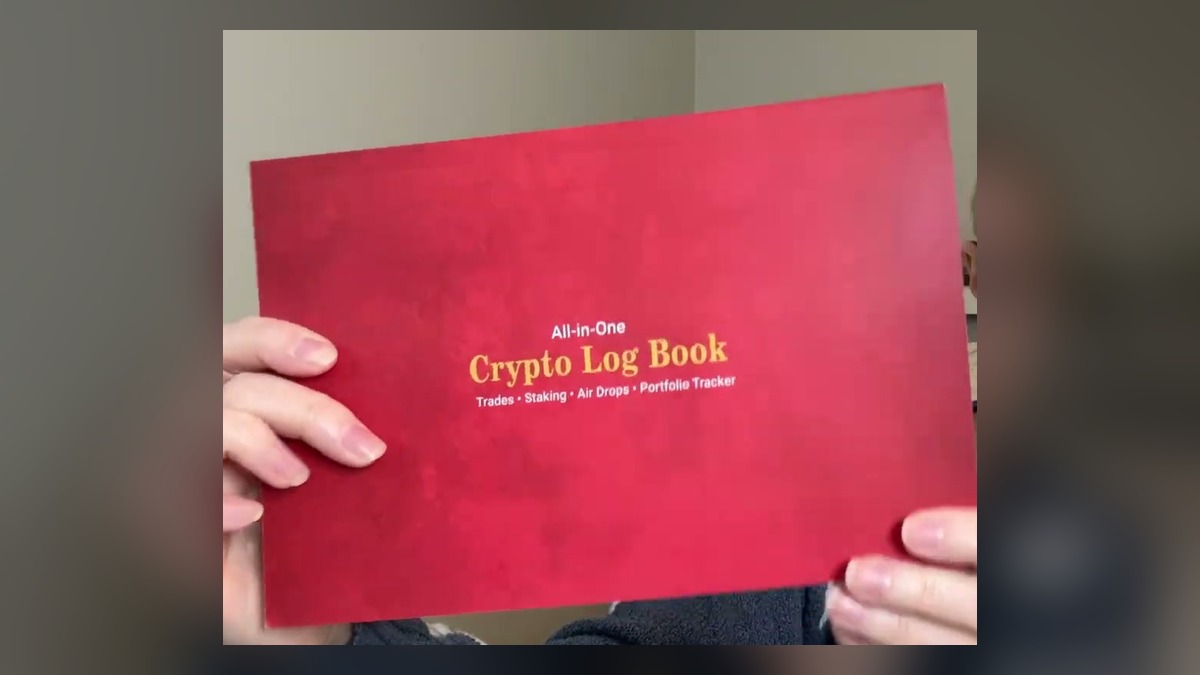
The All-in-One Crypto Log Book is a landscape notebook for writing down every crypto trade and your month-to-month portfolio by hand, and I’d buy it again. I’m very digital, but I bought it myself because I like logging my trades manually.
There’s another reason, too. My husband doesn’t know anything about crypto, so this book goes in our safe with everything in one place.
Quick Verdict
- Buy it if: you want every crypto record in one book
- Skip it if: you make so many trades that writing each one down would take up most of your day
- My favorite feature: never guessing what goes in which column
- Would I buy again? Yes
A book my family could follow
There’s a place for every trade and airdrop, plus a tracker for your portfolio month to month.
God forbid anything ever happens, it’s all in there, and my sister or someone can sit down with my husband and help him figure out what to do.
If you’re pulling together the rest of what your family would need, the grab-and-go document checklist on Admin Arcade has a step for seed phrases and notes for whoever takes over.
All-in-One Crypto Log Book
A thick landscape log book that keeps your crypto trades and monthly portfolio in one place.
What’s inside the All-in-One Crypto Log Book?
- Pages: 207, printed on both sides
- Layout: landscape
- Sections: trading, staking, staking rewards, monthly tracker
- Trade columns: date, exchange, asset sent, asset price, quantity sent, asset received, asset price, quantity received, fees and total value
- Extras: a table of contents, how-to pages with samples and definitions
- Tabs: along the bottom edge for each section
Who is a paper crypto log book for?
It’s for anyone who holds crypto and wants it all on paper, especially if the people who’d need it someday don’t follow crypto at all.
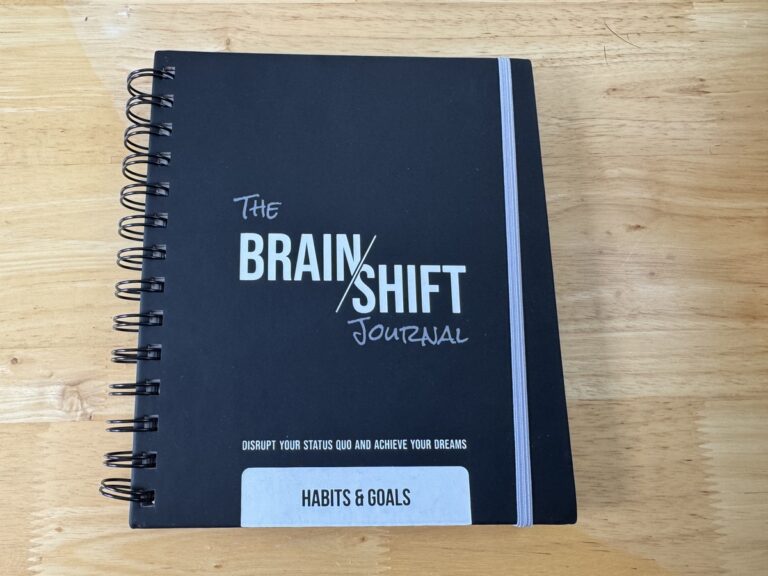
The rest of our important papers, crypto seed phrases included, live in the ENGPOW fireproof document bag. And if a guided paper layout works for your brain, the Intelligent Change Productivity Planner walks you through its system before the blank pages start. And if a blank page stops you cold, the Brain Shift Journal gives you a new prompt every day.
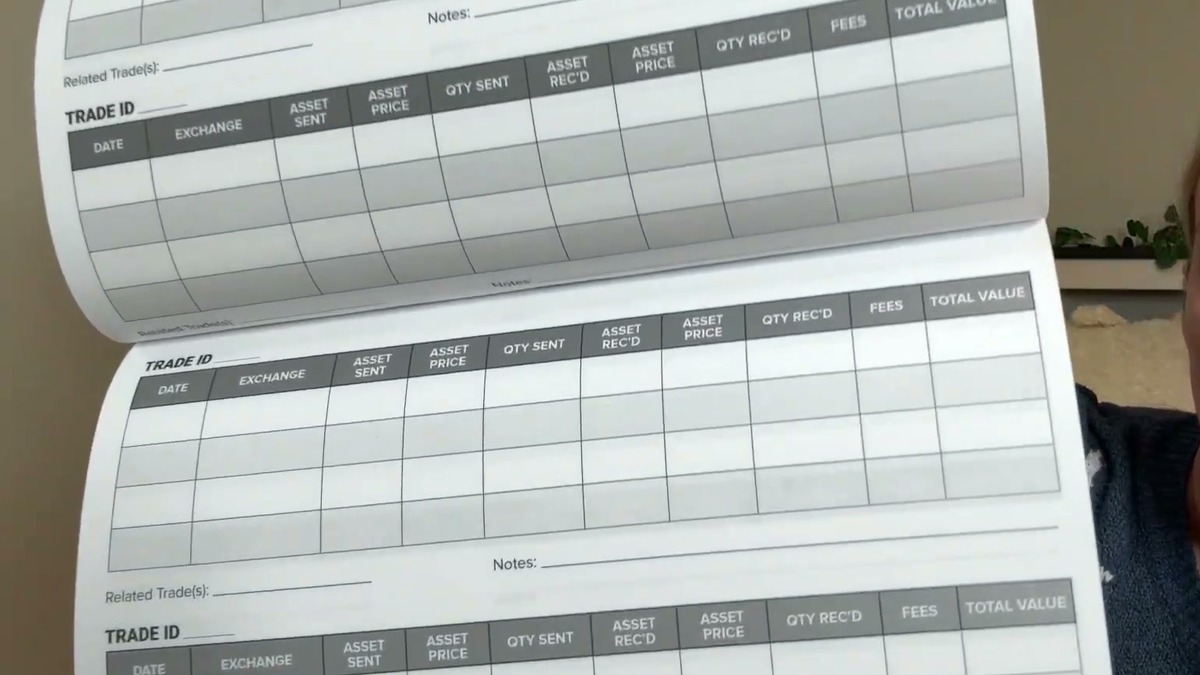
Flipping through the trade and staking pages
The first thing I noticed was the size and thickness. It feels sturdy, the pages aren’t flimsy, and I like the red and gold cover. The landscape layout means the wide trade tables don’t feel cramped.
The trading pages run full on both sides, so there’s no wasted space. The staking pages leave plenty of room, too, so you don’t have to squeeze anything in.
The parts that make it easy to keep up
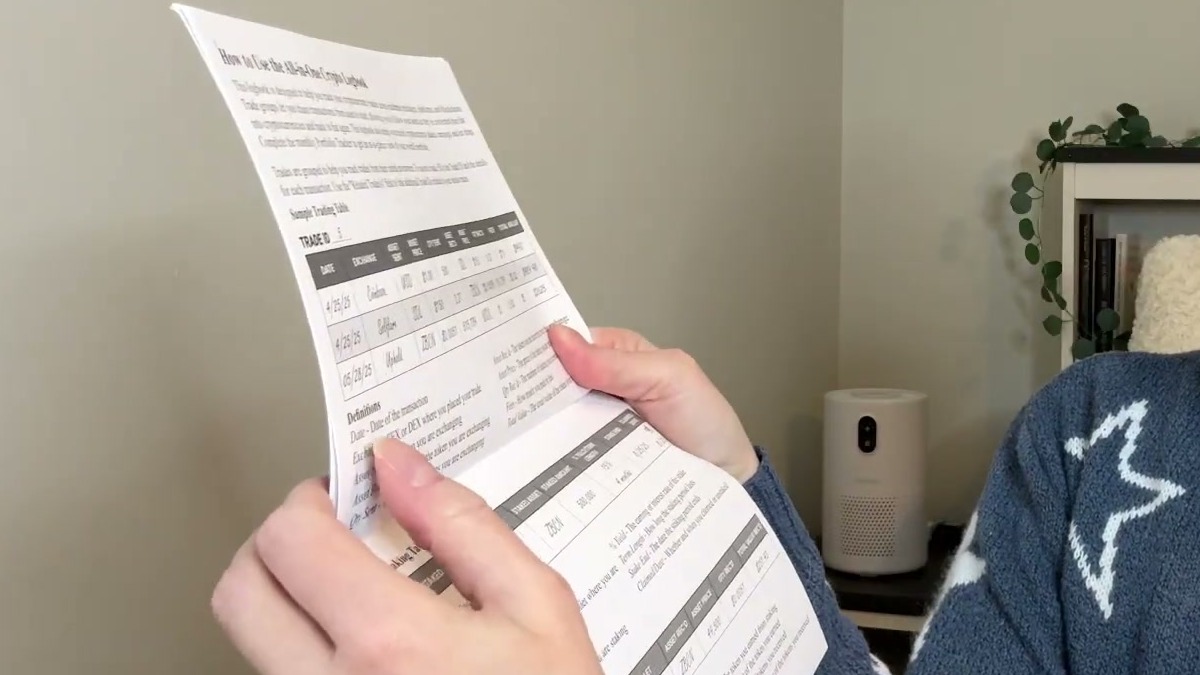
- How-to pages with samples: the trading, staking and staking rewards tables each get clear instructions and a filled-in example, plus definitions. Even if it seems obvious, you never have to wonder what goes where.
- Tabs along the bottom: flip through and the tab changes from trading to staking to staking rewards to the monthly tracker.
- Monthly tracker: the months are labeled, with clear columns and a notes section beside them.
Little things I liked
- A table of contents up front
- Fees and total value get their own columns on every trade
What are the downsides of logging crypto by hand?
- Everything is by hand. Nothing syncs with an exchange, so you fill in every trade yourself.
- Heavy traders, plan on time. With a lot of trades, copying numbers over takes a while, and it’s easy to slip on one.
- Keep it locked up. It lists the details of what you own, so it belongs somewhere secure.
Crypto tax questions people ask
Do you need records of your crypto trades for taxes?
Yes. Federal tax rules call for a record of every crypto purchase, sale, trade or other disposal. For each one, that means the asset, the date and time, how many units, the value in U.S. dollars and your basis.
Do staking rewards count as income?
Yes. Rewards from staking are taxed as ordinary income, so it helps to note their dollar value on the day you receive them.
Do transfers between your own wallets have to be reported?
No, not when you’re moving crypto between wallets or accounts you control. The exception is when you pay the transfer fee in crypto.
Do you have to report crypto you bought and never sold?
No. If all you did was buy crypto with dollars and hold it, you can check No on the digital asset question on your federal return. Selling it, trading it or getting paid in it changes that answer to Yes.
Will your crypto exchange send you a tax form?
If you sold through a broker, yes. Brokers report gross proceeds on Form 1099-DA for sales on or after Jan. 1, 2025, and they add your basis for certain sales starting in 2026. I still keep my own log for staking and wallet moves.
At tax time I give our accountant a Koinly export, and this book covers what happened off the exchange.
When the forms start showing up, the tax document checklist on Admin Arcade lists when each one should land, the 1099-DA included.
Still part of my routine
I still use it, and I’d buy it again. If you own crypto and like having it all offline, I highly suggest it.
Where To Buy
A book I made
Haul to Sold
A take-along sourcing log for resellers. Write down what you paid at the garage sale or thrift store, then fill in what it sold for, the fees and the profit later.
Log your next haul →I run an affiliate program on the tools I build. Approved affiliates earn 20% on what their referrals pay, for up to a year. US only for now. See the program →